Indoor air quality has become a priority for many homeowners. As awareness grows, so does interest in proper duct maintenance. Air duct systems collect dust, debris, and allergens over time. Cleaning these systems requires more than basic tools. Choosing the right air duct cleaning equipment for residential properties directly affects results, safety, and efficiency. Not all equipment performs the same way. Understanding what to look for helps homeowners and service providers make informed decisions. The right equipment protects both the home and the HVAC system.
Understanding Residential Duct System Requirements
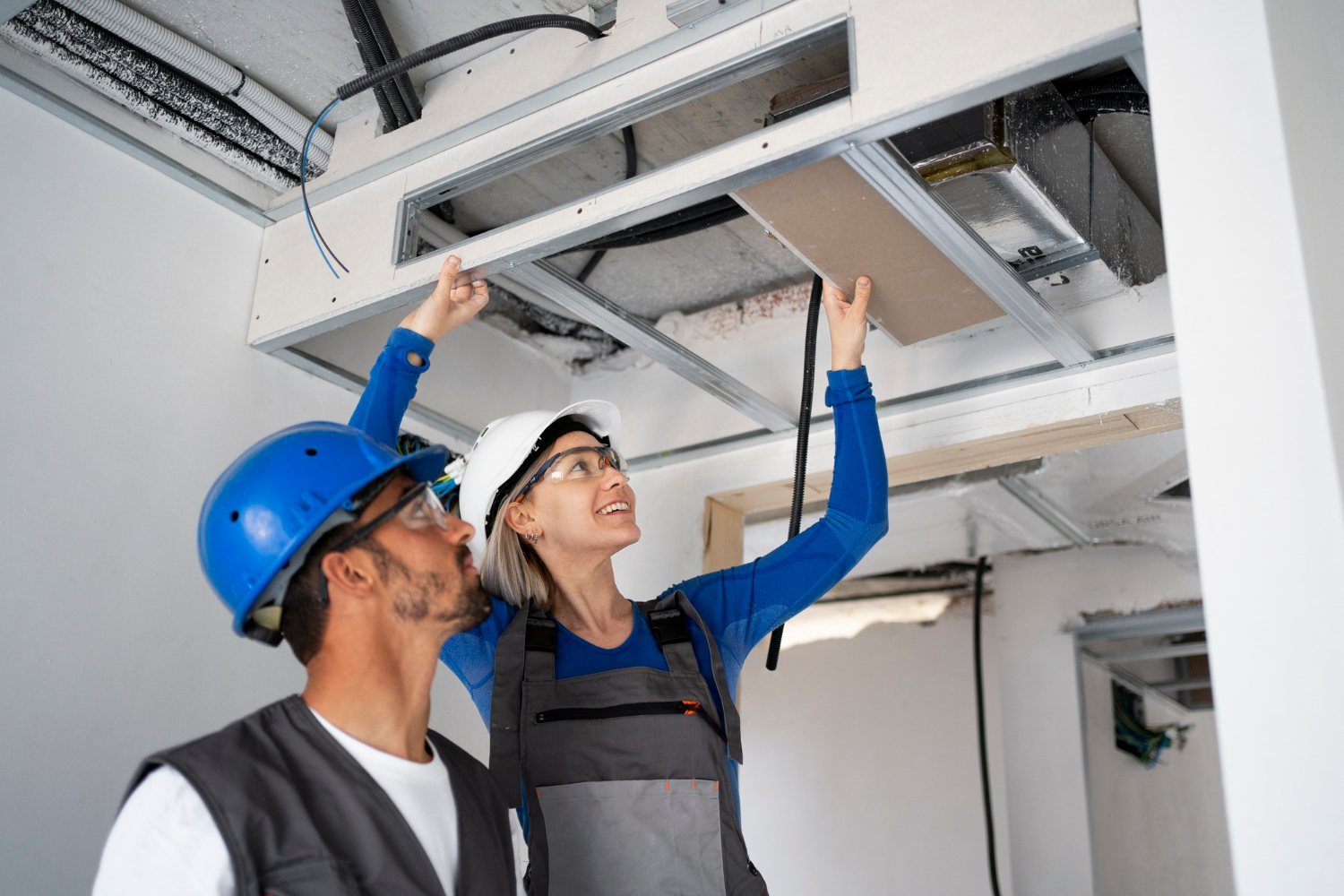
Residential duct systems differ from commercial setups. They are often smaller and more delicate. Materials may include flexible ducting or lightweight sheet metal. Equipment must be compatible with these materials. Oversized or overly aggressive machines can cause damage. Before selecting tools, it is important to assess the type of ductwork involved. This evaluation ensures the cleaning process remains effective without compromising structural integrity. Proper assessment guides equipment choice.
High-Powered Vacuum Systems
A powerful vacuum system forms the foundation of effective duct cleaning. These systems create negative pressure within ductwork. Negative pressure pulls loosened debris directly into the collection unit. Without sufficient suction, contaminants may escape into living spaces. Portable units work well for most residential properties. Truck-mounted systems offer stronger suction but may not always be necessary for smaller homes. The goal is to select a system with enough power to remove buildup thoroughly.
HEPA Filtration for Air Quality Protection
Filtration plays a critical role during cleaning. When debris is disturbed, fine particles become airborne. HEPA-filtered equipment captures microscopic contaminants before air is released back into the home. This protects indoor air quality during the process. Choosing equipment with reliable filtration reduces the risk of recirculation. It also supports healthier results after cleaning is complete. Proper filtration should never be overlooked.
Agitation Tools and Their Function
Vacuum systems alone cannot remove compacted debris. Agitation tools break loose the buildup from the duct walls. Rotary brushes spin gently inside ducts to dislodge dirt. Air whips use compressed air to reach tight corners. Skipper balls push debris toward the vacuum source. The right combination of agitation tools ensures comprehensive cleaning. However, tools must match duct material to avoid unnecessary wear. Selecting adaptable tools improves efficiency and safety.
Portability and Accessibility
Residential properties present space limitations. Attics, crawl spaces, and narrow hallways require flexible equipment. Portable units allow easier movement within confined areas. Compact designs simplify setup and breakdown. Hose length also matters. Longer hoses provide better reach without repositioning equipment repeatedly. Considering accessibility ensures smoother operation and reduces labor strain.
Durability and Maintenance Considerations
Equipment quality affects long-term performance. Durable construction withstands repeated use and transport. Motors, hoses, and brushes should resist wear. Replaceable components reduce downtime and maintenance costs. Regular cleaning of equipment preserves functionality. Investing in well-built machines minimizes unexpected failures. Reliable tools support consistent service delivery.
Safety Features and Controls
Safety should guide every equipment decision. Machines should include clear controls and stable construction. Automatic shutoff features protect motors from overheating. Secure hose connections prevent air leaks. Noise levels also deserve attention. Excessive noise may disrupt homeowners during service. Choosing equipment with built-in safety measures reduces operational risks and enhances professionalism.
Cost Versus Value Assessment
Price influences purchasing decisions. However, the lowest cost option may not deliver the desired results. Evaluating value involves comparing power, filtration quality, durability, and ease of use. Efficient equipment may require a higher upfront investment but offer better long-term returns. Balancing the budget with performance ensures wise spending decisions. Long-term reliability often outweighs short-term savings.
Choosing the right air duct cleaning equipment for residential properties requires careful evaluation. Understanding duct system materials and home layout guides proper selection. High-powered vacuum systems create essential negative pressure. HEPA filtration protects indoor air. Agitation tools remove stubborn debris effectively. Portability improves access within tight spaces. Durable construction supports long-term performance. Safety features enhance reliability. Evaluating cost alongside functionality ensures smart investment. Effective equipment contributes to cleaner air and better HVAC efficiency. It also strengthens professional credibility for service providers.